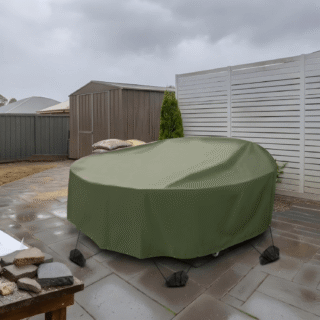
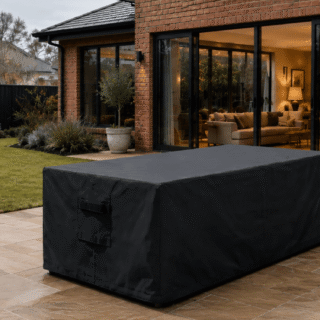
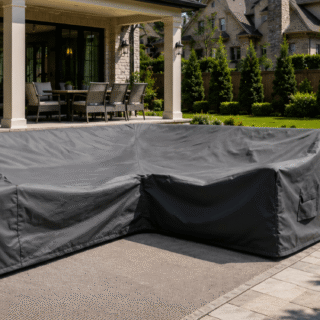
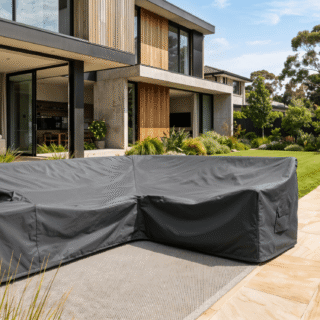
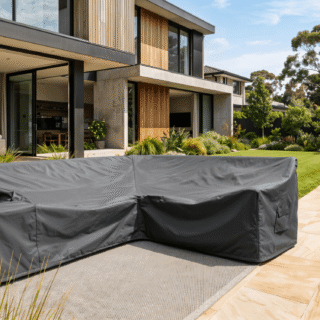

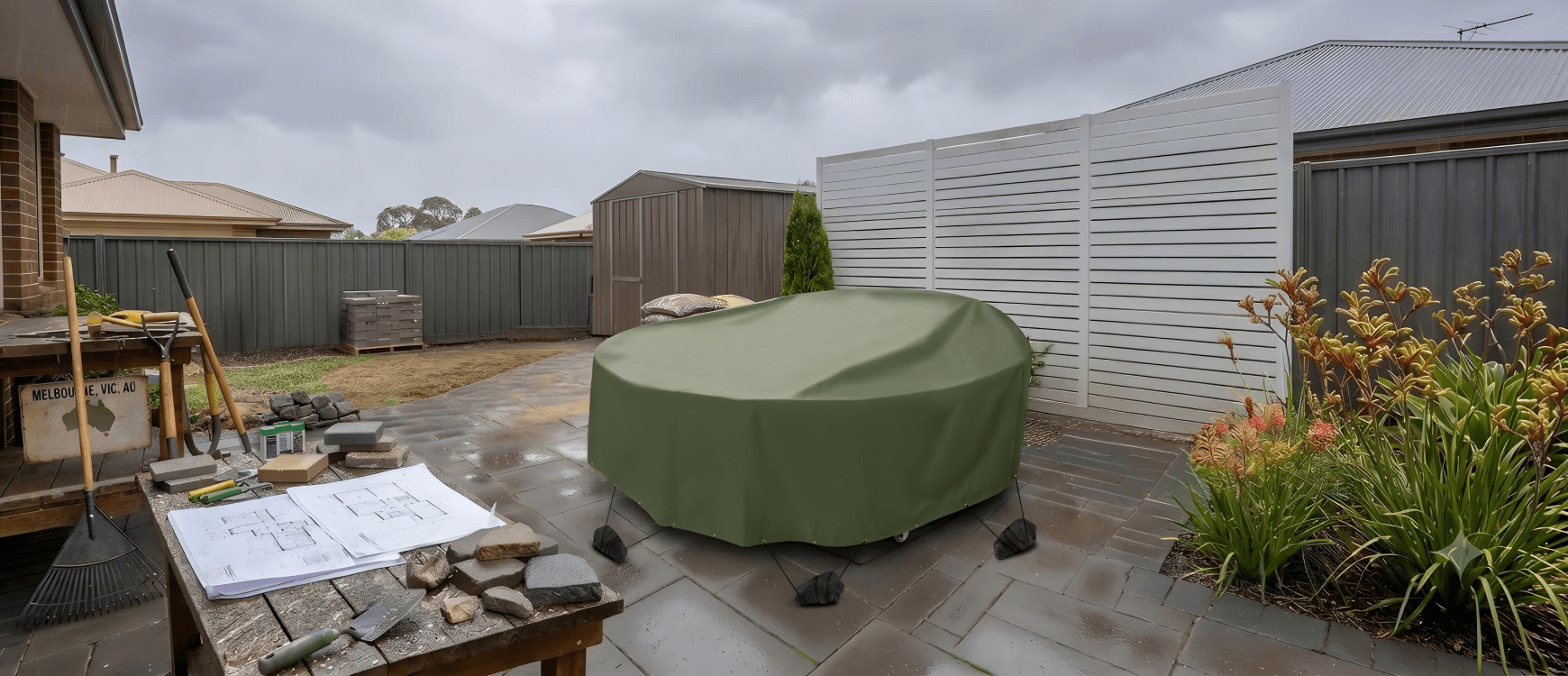
Spend enough time on a building site or a farm anywhere in Australia and you’ll notice canvas tarps turning up everywhere, over stacked timber, across a half-finished retaining wall, tied down over feed and machinery. Plenty of newer materials have come along since canvas first started doing this job, and yet builders, landscapers, and property owners keep reaching for it. There’s a reason it hasn’t been pushed aside by cheaper synthetic options.
What Makes Canvas Worth the Extra Cost
The benefits of canvas tarps for outdoor use come down to a handful of things that matter more once you’ve actually used one through a full Australian summer. Canvas breathes in a way plastic sheeting never will. Moisture that gets trapped under a synthetic cover just sits there, and that’s exactly how mould and mildew get started underneath a tarp meant to protect whatever’s under it. Canvas lets air move through, so damp doesn’t build up the same way.
It also holds up under UV exposure better than most people expect. Australian sun is unforgiving on cheap plastic sheeting, which cracks and goes brittle within a season or two in some parts of the country. Properly treated canvas takes a lot longer to break down.
Popular Products
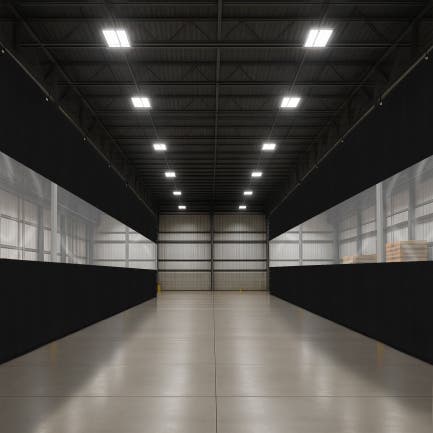

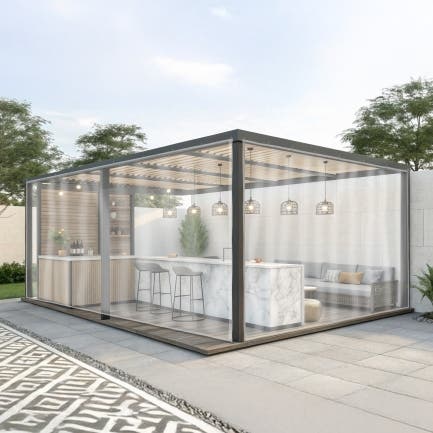
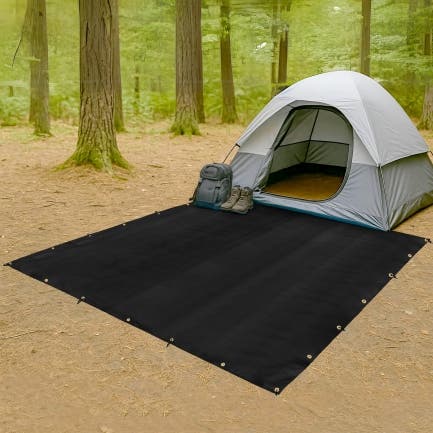
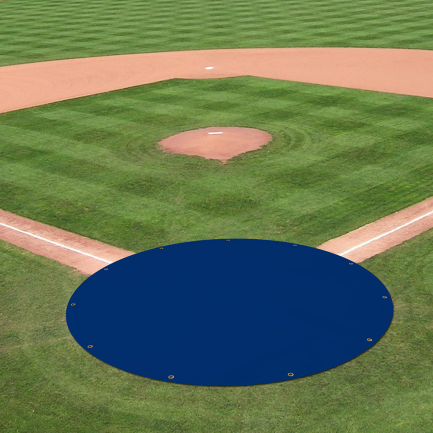

There’s a practical side too. Canvas doesn’t tear the moment it snags on a nail or a sharp edge the way thin poly tarps do, and it holds its shape instead of stretching and sagging under weight. None of this is new information to anyone who’s worked outdoors for a while, it’s just easy to forget until you’re standing there with a torn tarp and a pile of exposed materials.
Canvas Tarps for Construction and Landscaping Projects
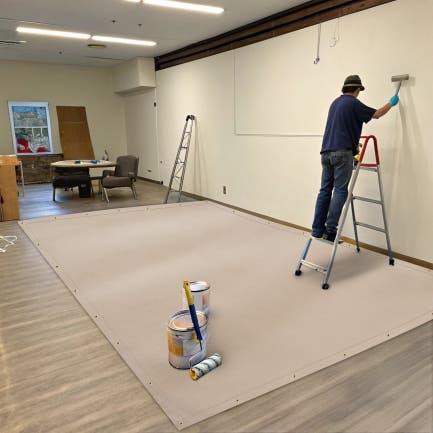
On a construction site, materials sit exposed for weeks at a time, sometimes longer. Timber, plasterboard, and anything else affected by moisture needs something over it that will actually last through a full project, not just a weekend. This is where canvas tarps for construction and landscaping projects earn their reputation. They handle repeated setup and pack-down without falling apart, which matters when the same tarp gets moved from one part of a site to another every few days.
Landscaping throws a different set of problems at a cover. Soil, mulch, and pavers get dumped in piles that need protecting from rain, and canvas holds up to being dragged around and weighed down without ripping the way lighter materials tend to.
Breathable Canvas Tarps for Outdoor Storage
Long-term outdoor storage is really where canvas separates itself from the alternatives. Breathable canvas tarps for outdoor storage let trapped moisture escape instead of pooling underneath, which matters enormously if you’re covering anything for months rather than days.
Firewood is a good example. Cover a stack of firewood in plastic and it’ll often come out damper than if you’d left it uncovered, since condensation forms underneath and has nowhere to go. Canvas avoids that problem entirely, letting air circulate while still keeping rain off.
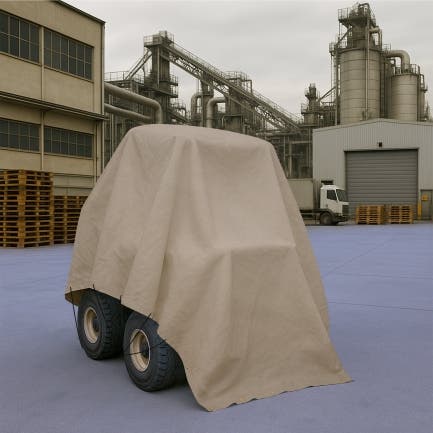
The same logic applies to machinery, hay, and building supplies left in storage. Anything that needs airflow to stay in good condition does better under canvas than under a sealed plastic sheet.
Weather-Resistant Canvas Tarps for Year-Round Protection
Australian conditions swing hard depending on where you are, blistering heat in some regions, torrential rain in others, and both within the same year in plenty of places. Weather-resistant canvas tarps for year-round protection are treated to handle that range without needing to be swapped out season by season.
A good treated canvas tarp sheds water while still breathing, resists UV degradation through the harshest part of summer, and doesn’t turn stiff and brittle in cooler months the way some synthetics do. That versatility is a big part of why so many people only need to buy one cover rather than rotating between a summer option and a winter one.
Custom Canvas Tarps for Outdoor Applications
Standard sizes work fine until they don’t, and anyone who’s tried to cover an oddly shaped stack of materials or an irregular piece of equipment knows exactly where that falls apart. Custom canvas tarps for outdoor applications solve the problem that off-the-shelf sizing can’t: a tarp cut and fitted to the actual dimensions of whatever needs covering, rather than something close enough that leaves gaps at the edges.
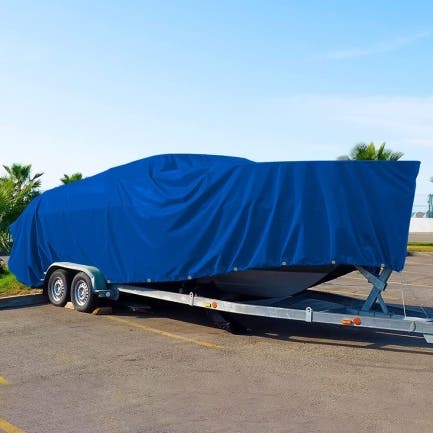
Custom size tarps are also worth considering for anything unusually large, a boat, a trailer, a stack of building materials that doesn’t match a standard rectangle. Getting the size right the first time saves money in the long run, since a properly fitted cover doesn’t wear out nearly as fast as one that’s constantly shifting or flapping loose.
How to Choose the Right Canvas Tarp for Australian Conditions

Figuring out how to choose the right canvas tarp for Australian conditions starts with being honest about what you’re actually protecting and where you live. A tarp for a coastal property dealing with salt air needs different treatment than one going over machinery in a dry inland climate.
Weight is the next thing to look at. Lighter canvas works fine for short-term jobs, but anything left outdoors for weeks or months benefits from a heavier weave that can take repeated UV exposure and rough handling.
Check the treatment as well. Untreated canvas absorbs water and can mildew, so look for one that’s been waterproofed or treated for mould resistance without losing the breathability that makes canvas worth choosing in the first place.
And think about how it’ll actually be used day to day. If it needs to come on and off often, grommets and tie-down points in the right spots make a real difference to how much hassle it is to work with.
Best Canvas Tarps for Outdoor Projects in Australia
The best canvas tarps for outdoor projects in Australia tend to share the same handful of traits: a solid weight of fabric, proper UV and water treatment, reinforced edges, and stitching that can take being pulled tight over an awkward load without giving out.
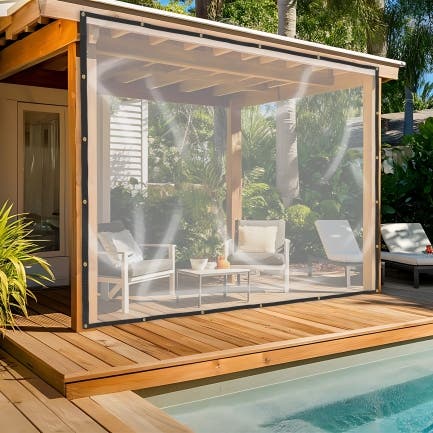
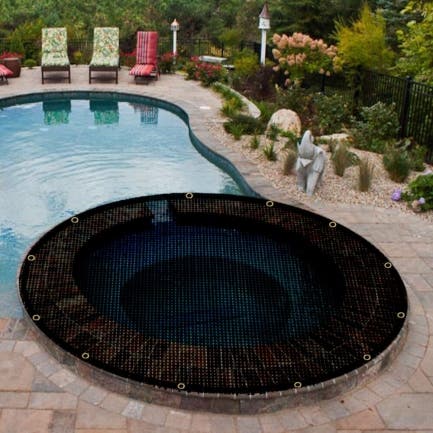
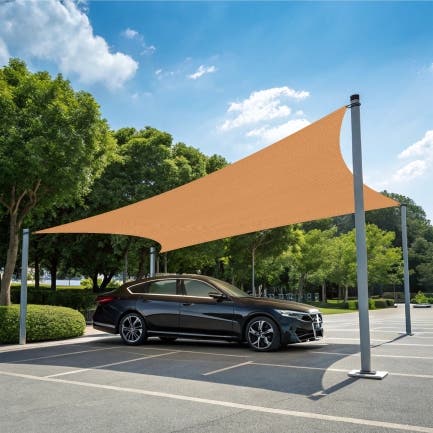
It’s also worth having more than one type on hand depending on the job. Canvas tarps suit most general-purpose covering, but clear tarps come in handy when you need to let light through, over a garden bed or a work area where visibility matters. Mesh tarps are the better call when airflow needs to be the priority over full waterproofing, like shading a work zone or covering something that needs ventilation more than complete cover.
Final Thoughts
Canvas has stuck around in Australian construction, landscaping, and general outdoor use because it does the job better than most of the alternatives that have tried to replace it. It breathes, it holds up to UV and rough handling, and it doesn’t trap moisture the way plastic sheeting does. Whether it’s a short-term job site cover or something that needs to survive a full year outdoors, canvas remains one of the more reliable choices for anyone who needs their gear, materials, or storage protected properly.





Recent Comments