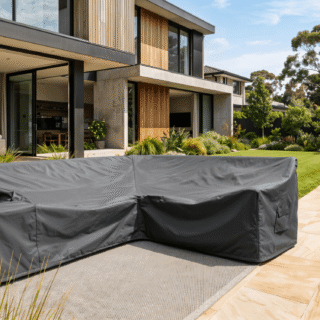


When it comes to choosing the right fabric for your outdoor furniture, two names stand out — Olefin and Sunbrella. The question is how do they truly stack up against each other? In this Olefin vs Sunbrella fabric comparison, we’ll dive deep into the features, benefits, and potential drawbacks of each, and their maintenance part to help you make a confident decision for your outdoor spaces.
Fasten your belts because we are going to unpack the most awaited differences between Olefin and Sunbrella materials and see which one fits your lifestyle best.
For starters- Let’s understand basic definitions of both the fabric followed by their important attributes:
What is Olefin Fabric?
Olefin, also known as polypropylene, is a synthetic fiber made from a byproduct of refining petroleum. It’s lightweight, moisture-resistant, and incredibly durable. Olefin has earned a strong reputation for outdoor use because of its colourfastness, softness, and resistance to mould and mildew.
Because of its affordability, Olefin is often found in many outdoor furniture covers and affordable outdoor accessories.
What is Sunbrella Fabric?
Sunbrella is a brand synonymous with high-end outdoor fabrics. Made from solution-dyed acrylic, Sunbrella offers rich, lasting colours and exceptional durability. It’s UV-resistant, water-repellent, and easy to clean, making it a favourite for luxury outdoor cushion covers and high-end awnings.
When it comes to pros and cons of Olefin and Sunbrella fabrics, Sunbrella often shines for its luxe look and feel, but it does come with a higher price tag.
Popular Products
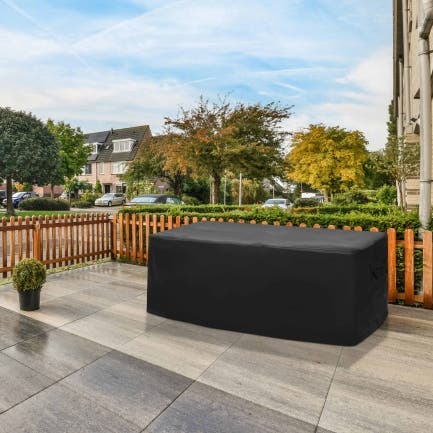
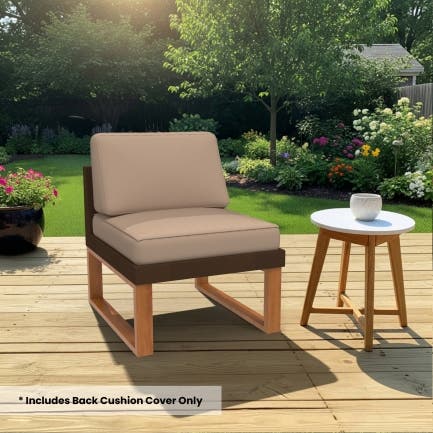
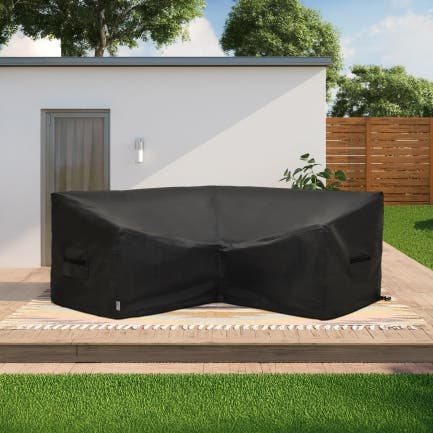
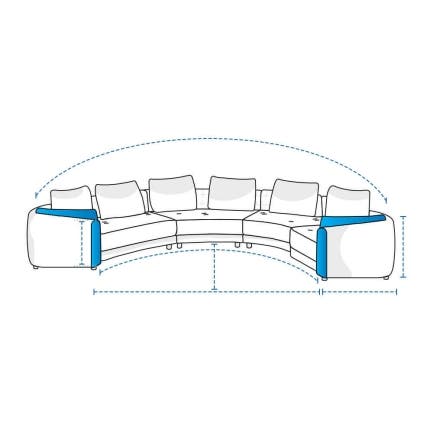
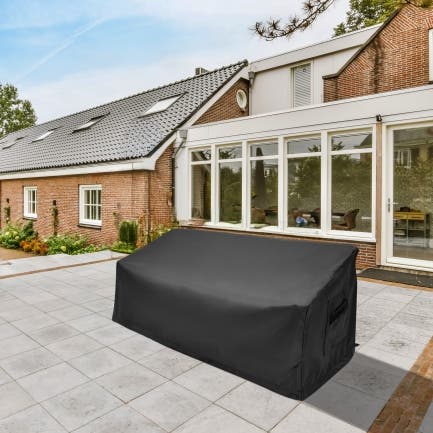
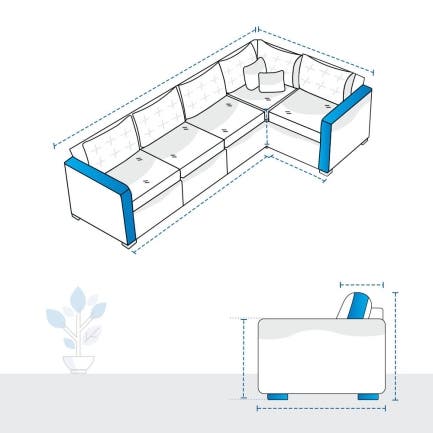
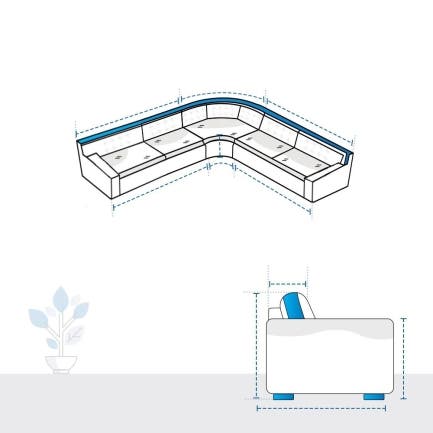
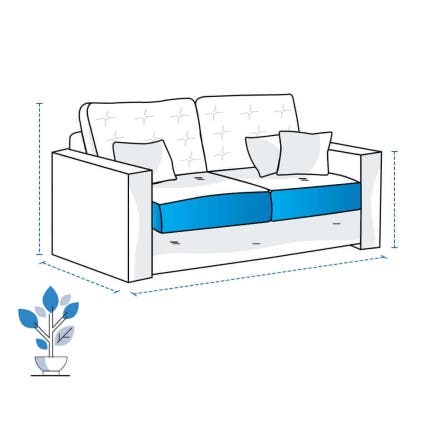
Olefin Vs Sunbrella Materials
Let’s dig deeper into the differences between Olefin and Sunbrella materials:
- Material Composition: Olefin is made from polypropylene, while Sunbrella uses solution-dyed acrylic.
- Feel and Comfort: Olefin tends to be softer to the touch, ideal for cushions and lounges. Sunbrella can feel a little more textured.
- Colourfastness: Both resist fading, but Sunbrella slightly edges out because of its solution-dyeing technique.
- Water Resistance: Olefin naturally repels water. Sunbrella is water-repellent but not fully waterproof without treatment.
- Cost: Olefin is generally more budget-friendly compared to Sunbrella.
- Availability: Sunbrella offers a broader range of textures and patterns.
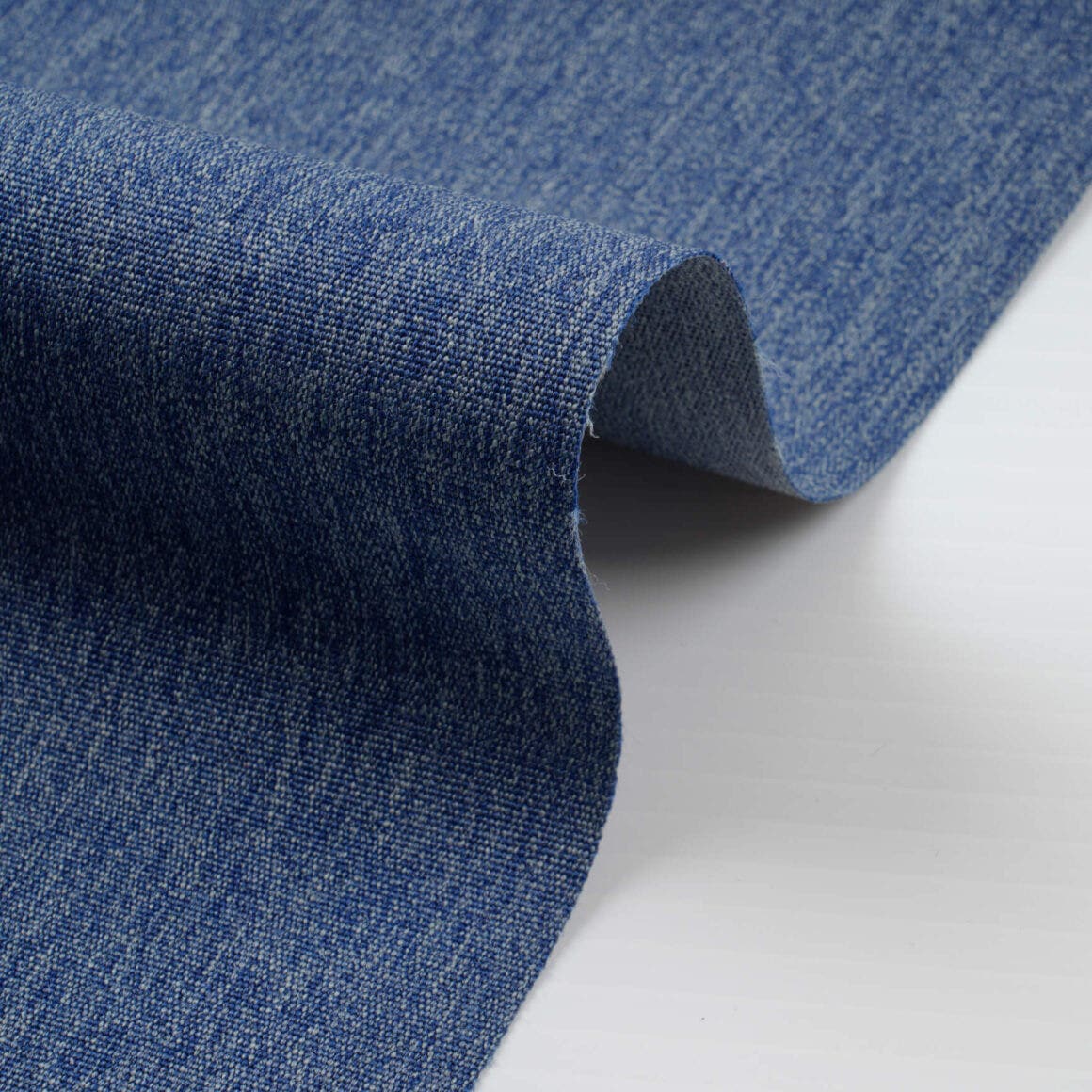
Choosing between them often depends on the intended use — are you seeking premium looks or a durable budget-friendly option?
Olefin vs Sunbrella for Outdoor Furniture
If you’re stuck choosing between Olefin and Sunbrella fabrics, consider your specific needs.
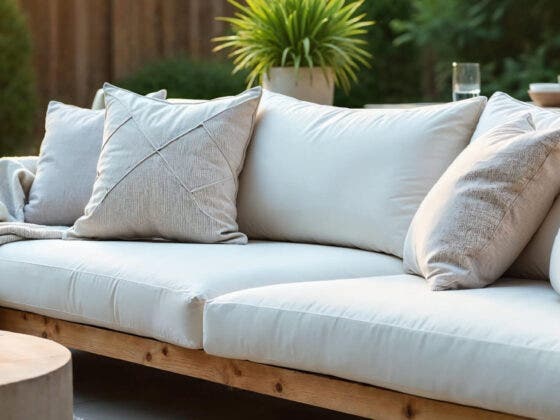
For lounging chairs exposed to heavy sun, rain, and constant wear, Sunbrella might be the smarter investment due to its unmatched durability and comfort. It pairs beautifully with waterproof chair covers that protect your investment for years.
However, if you’re furnishing a shaded patio or need more budget-conscious options, Olefin delivers reliable performance without sacrificing too much on style.
In either case, pairing your choice with custom pergola covers or personalised patio covers can extend the life of your fabric and furniture significantly.
Pros and Cons of Olefin and Sunbrella Fabrics
Here’s a quick overview of the pros and cons of Olefin and Sunbrella fabrics:
Olefin
Pros:
- Affordable
- Lightweight
- UV and fade resistant
- Soft
- Waterproof in nature
- Recyclable
Cons:
- Less UV resistant than Sunbrella
- Limited patterns and textures
- Less life span (approximately 3 to 5 years)
Sunbrella
Pros:
- Wide variety of colours and patterns
- Exceptional UV and fade resistance
- Highly durable
- Offers a good warranty coverage
Cons:
- Higher cost
- Requires occasional re-waterproofing
- Can feel stiffer in comparison
Choosing wisely between the two ensures your custom covers match both your aesthetic and practical needs.
Cleaning and Maintenance of Olefin and Sunbrella Fabrics
The cleaning and maintenance of both these fabrics are surprisingly simple compared to other materials.
Olefin resists staining naturally, and most spills can be wiped clean with a mild detergent and water. For stubborn stains, a little bleach solution is safe to use without risking discolouration.
Owing to its solution-dyed fibers, Sunbrella allows even aggressive cleaning methods like bleach without fading. A simple hose down every few months keeps it looking fresh.
For year-round protection, using Sunbrella for your outdoor couch covers can be a game-changer, reducing dirt buildup and UV exposure.
Environmental Impact of Olefin and Sunbrella Fabrics
In today’s world, sustainability matters. So, what about the environmental impact of Olefin and Sunbrella fabrics?
Olefin is considered one of the eco-friendlier synthetic fabrics because it requires minimal land, water, and energy to produce. It’s also recyclable, helping to reduce landfill waste.
Sunbrella has made strides with its “Recycle My Sunbrella” initiative, which allows users to return old fabrics for repurposing. Although acrylic production is resource-intensive, the brand’s durability reduces replacement frequency, balancing the eco-footprint over time.
Using custom fitted covers such as table covers, custom sectional couch covers made from eco-conscious materials also supports longer product life and reduces environmental impact.
Lifespan of Olefin vs Sunbrella Materials
When assessing the lifespan of Olefin vs Sunbrella materials, longevity is key.
Sunbrella fabrics can last up to 10 years or more with proper care. Olefin usually provides approximately 3-5 years of service depending on exposure and maintenance.
For high-traffic patios, investing in custom outdoor furniture covers protects your fabric and extends its usable life, ensuring your space looks stylish season after season.
Final Verdict: Which Should You Choose?
In the ultimate Olefin vs Sunbrella fabric comparison, the decision comes down to your priorities.
- Choose Sunbrella if you want luxurious colours, unmatched durability, better UV resistance and premium appearance.
- Opt for Olefin if you need an affordable, recyclable and softer fabric that withstands water with minimal maintenance.
Both are excellent choices but pairing them with proper protection — like custom pergola covers, personalised patio covers, and waterproof chair covers — will ensure you get the maximum value, comfort, and style out of your investment.
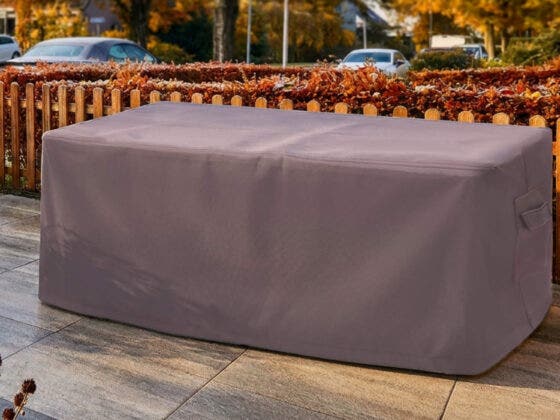
When outfitting your dream patio, don’t forget the finishing touches like outdoor couch covers and outdoor table covers to shield your setup from the elements.
A little extra care today leads to seasons of relaxing, hosting, and enjoying your beautiful outdoor retreat.

Recent Comments