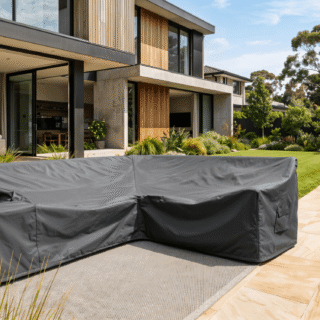


When it comes to protecting valuable assets, most businesses think of maintenance schedules, insurance policies, or operator training. But there’s a silent culprit that often gets overlooked: improper storage without equipment covers. Whether you’re dealing with industrial machinery, seasonal tools, or even poolside accessories, the way you store equipment has a direct impact on its longevity.
As the seasons change, especially during the transition from winter to spring, pool cover changes, many companies and homeowners alike discover that damage doesn’t come only from usage. Rust, dust, pests, UV exposure, and even shifting temperatures silently eat away at machinery and accessories that are left uncovered.
In this guide, we’ll walk through the top mistakes businesses make when storing machinery without covers and explain how to avoid them with smart solutions like pool covers, heavy-duty tarps, shade sails, and custom covers.
#1: Ignoring Seasonal Transitions
One of the most damaging mistakes is failing to account for seasonal transitions, particularly the winter to spring pool cover change. Machinery and outdoor equipment are often left bare during these shifts, when moisture and condensation can cause rust or electrical malfunctions.
Think about how carefully we approach a spring pool setup guide—we don’t just yank the cover off and jump in. We follow pool cover removal tips, inspect water levels, and prepare filtration systems. Your machinery deserves the same seasonal attention. Without covers, the shift from cold, damp air to warmer, humid conditions can trigger condensation inside engines or gearboxes.
Use custom covers designed for your equipment and adjust storage practices to match the season. Just like you’d reinstall pool shade covers as the sun gets stronger, you need to reintroduce protective layers to machinery before seasonal weather takes its toll.
#2: Storing Machinery Without Any Barrier

Leaving machinery completely exposed—indoors or outdoors—is a shortcut to disaster. Dust, bird droppings, water leaks, and pests all find their way onto and into uncovered equipment.
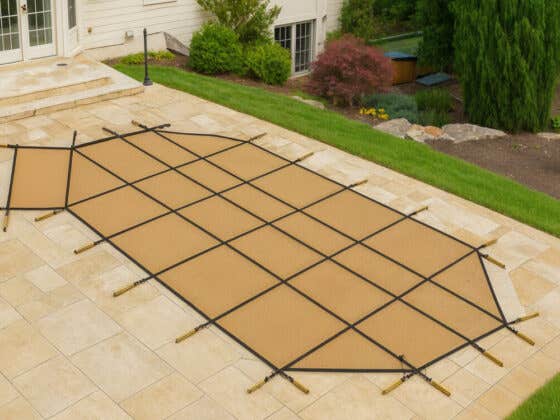
For pool owners, the lesson is similar. Skipping a pool cover best practice spring routine leads to cloudy water, algae, and expensive cleanups. Just as pools need pool covers for protection, machinery requires reliable barriers such as heavy-duty tarps or marine covers that shield from dust, moisture, and sun.
Invest in breathable covers that prevent condensation buildup while still blocking contaminants. For outdoor machinery, a shade sail combined with a waterproof tarp can provide layered defense.
#3: Poor Storage Environment
Another mistake businesses make is thinking that an indoor corner is “good enough.” If your warehouse or garage isn’t climate-controlled, uncovered machinery can still be exposed to humidity, accidental spills, or temperature fluctuations.
Consider the pool example again: cleaning pool covers in spring isn’t just about debris, it’s also about ensuring covers aren’t harboring mold or mildew that can re-contaminate the water. The environment matters. Likewise, machinery sitting in a damp shed will suffer even if it’s “indoors.”
Pair a stable environment with the right covering. Custom covers made of breathable fabrics prevent mold growth, while marine covers are ideal if the storage area is near water sources or high humidity.
#4: Neglecting Poolside & Outdoor Accessories
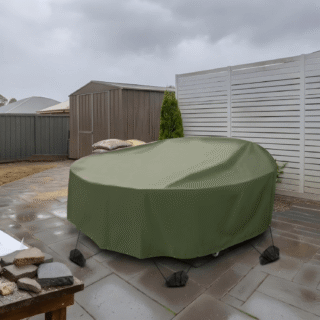
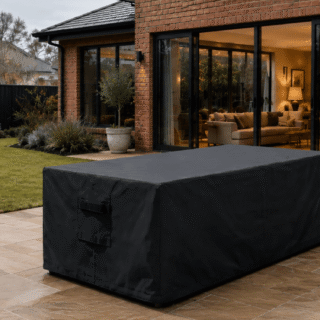
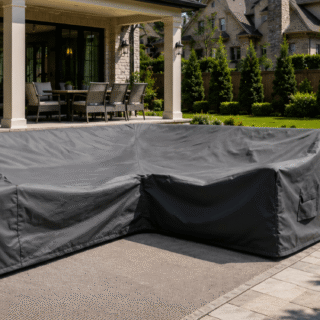
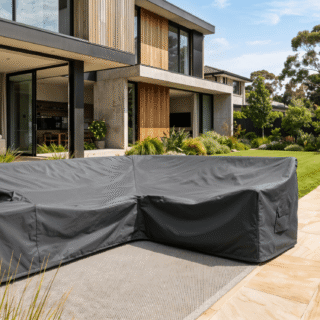
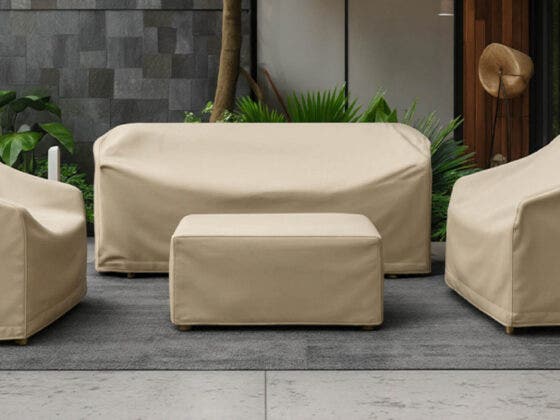
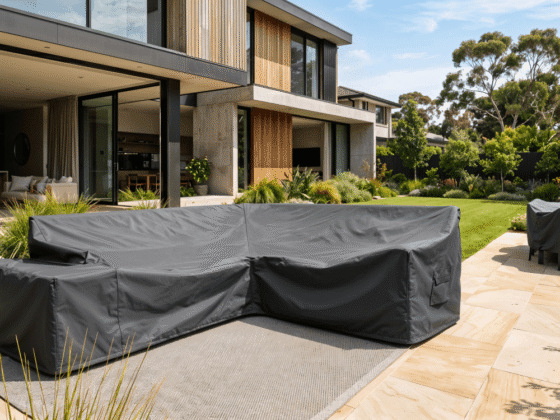
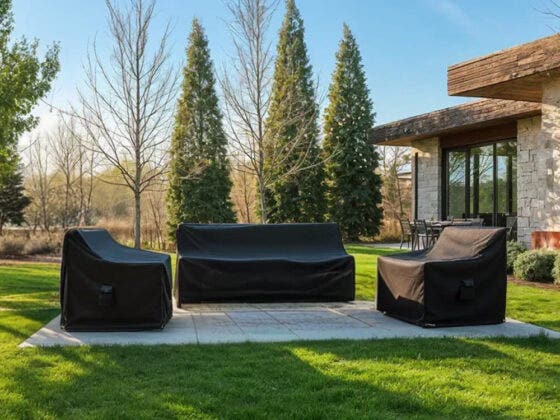
Many businesses focus only on “big machinery” and forget that outdoor furniture covers, and accessory protection are equally important. Poolside areas are a great example, while you may carefully manage your spring pool setup guide, neglecting pool area furniture protection can cause chairs, loungers, or even pumps to crack, fade, or rust.
If you wouldn’t leave your pool uncovered during a storm, why leave costly equipment without protection?
Create a storage checklist that includes machinery, furniture, and smaller components. Use outdoor furniture covers and shade sails as part of your seasonal routine.
#5: Not Cleaning Before Covering or Storing
Covering dirty machinery is as damaging as not covering it at all. Dirt, grease, or moisture trapped under a tarp creates a corrosive environment.
Think of it like cleaning pool covers in spring, you wouldn’t roll up a dirty, wet pool cover and expect it to last. Machinery works the same way: store it dirty and you’re trapping problems inside.
Always clean and dry equipment before storage. Apply lubricants where needed and ensure covers are dry and intact. How to store pool covers offers a parallel: fold only when dry, store away from sharp objects, and avoid areas with direct sunlight.
#6: Using the Wrong Type of Cover
Not all covers are equal. Thin plastic sheets may keep off dust but won’t hold up against rain, UV rays, or heavy winds. Many businesses make the mistake of using “whatever is lying around” instead of investing in proper custom covers, marine covers, or heavy-duty tarps.
Just as the wrong cover ruins a pool during a winter to spring pool cover change, the wrong machinery cover leads to rust, warping, or even fire hazards if it restricts ventilation.
Match your cover to the environment and equipment. Use UV-resistant shade sails for sun-heavy areas, waterproof marine covers for coastal or damp regions, and breathable custom covers for sensitive machinery.
#7: Forgetting to Reinstall Covers After Use
Finally, one of the simplest, but most common, errors is failing to reinstall pool shade covers or machinery covers after use. Whether it’s finishing a day’s work or uncovering for inspection, forgetting to replace the protective layer leaves your machinery vulnerable.
Build the habit. Just as pool owners follow pool cover removal tips carefully before a swim and put covers back on after, businesses should treat reinstalling covers as a non-negotiable part of equipment handling.
Best Practices to Avoid Storage Mistakes
Here’s a quick checklist inspired by both pool care and machinery management:
- Always clean before storage: Dirt + moisture = corrosion.
- Dry before covering: Prevent mold and mildew.
- Use the right cover: Pool covers, heavy-duty tarps, shade sails, outdoor furniture covers, custom covers, marine covers, each has its place.
- Follow seasonal routines: The winter to spring pool cover change is a reminder to adjust covers with the weather.
- Protect accessories too: Pumps, furniture, and smaller tools need shielding.
- Reinstall after every use: Don’t let laziness undo your investment.
Improper storage without covers is one of the easiest mistakes to make—and one of the most expensive to fix. Rust, weather damage, and UV exposure silently reduce the lifespan of machinery and outdoor equipment. The good news? A smart routine inspired by spring pool setup guides, paired with the right mix of pool covers, heavy-duty tarps, shade sails, outdoor furniture covers, custom covers, and marine covers, keeps your investments safe year-round.
Just like you wouldn’t dive into a pool without following pool cover removal tips, don’t leave your valuable machinery exposed. A little foresight today prevents costly repairs tomorrow and ensures your equipment is always ready when you need it.





Recent Comments