

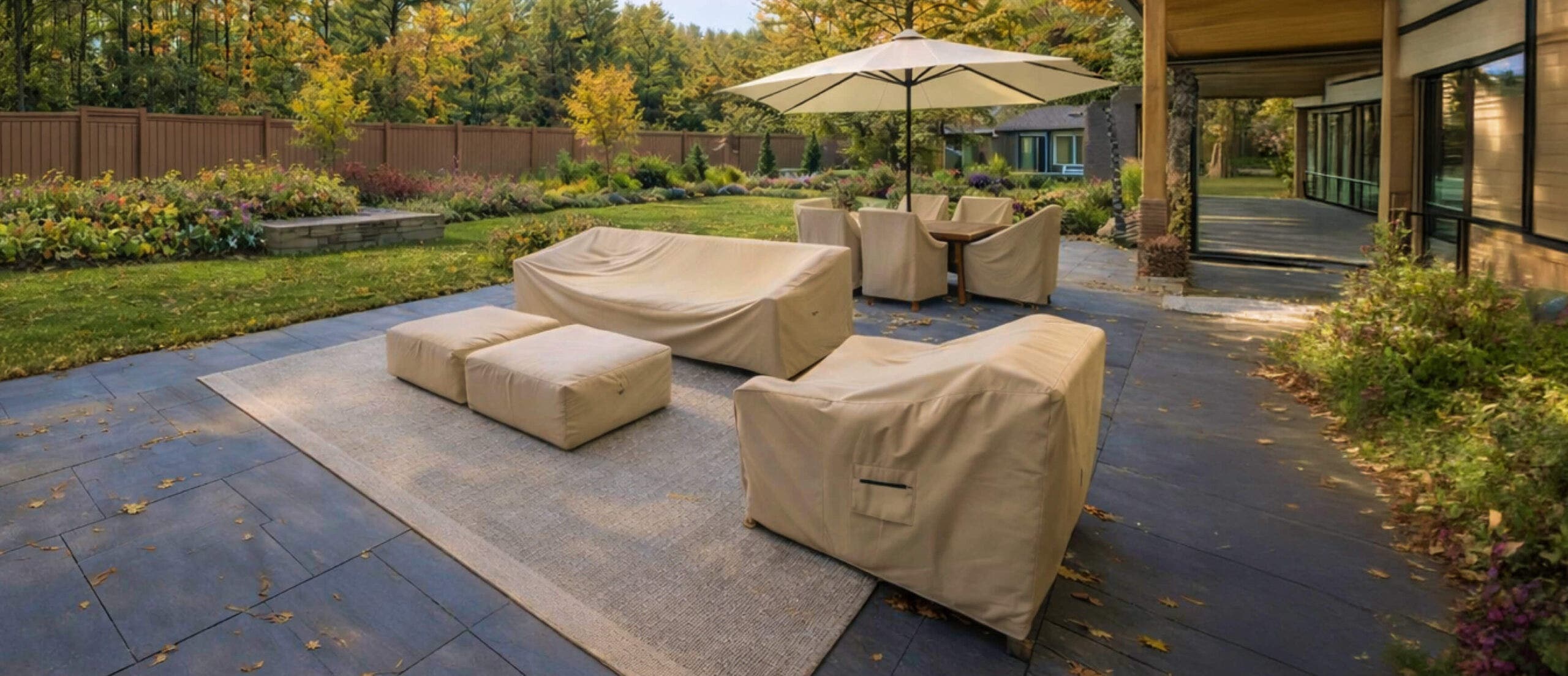
In Australia, the shift from late summer into autumn isn’t gentle. One week it’s intense sun baking your patio, the next it’s strong winds and sudden downpours. That transition period is where damage happens fast. If you want to protect garden gear properly, you need to plan for both heat and storms — not just one or the other.
Here’s how to handle the seasonal switch without replacing half your outdoor setup.
1. Start with Heat Resistant Covers
After months of harsh sun, the materials are already stressed. Using heat resistant covers helps shield equipment from UV exposure that continues well into early autumn.
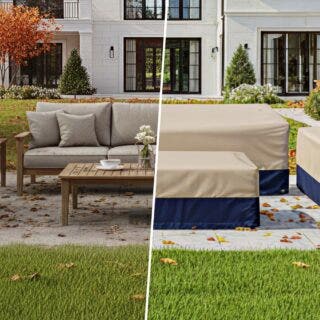
Quality covers reduce fading, cracking and weakening of plastics, timber and metal finishes. For items left outside year-round, durable outdoor equipment covers Australia are a practical investment, not an extra.
Sun damage doesn’t always show immediately, but it shortens lifespan significantly.
2. Secure Your Setup Before Storm Season
Autumn winds can turn loose furniture and lightweight gear into hazards. Creating a more storm proof patio setup means securing covers properly and anchoring equipment where possible.
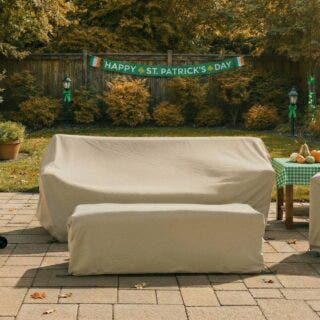
Tie-down straps, reinforced eyelets and snug-fitting covers prevent flapping and tearing. Loose covers not only fail to protect – they can also cause additional wear by rubbing against surfaces. Preparation before the first major storm makes a difference.
3. Upgrade to Waterproof Covers
As the intense summer sun eases off, wetter days start rolling in. That steady rain can quickly seep into cushions, wood and any exposed fittings if they’re left uncovered. Using proper waterproof covers keeps moisture from settling in and causing swelling, rust or hidden damage that’s harder to fix later.
Look for sealed seams and materials that don’t absorb moisture. Combined with proper airflow, waterproofing supports long-term weather damage prevention. Rain is manageable, but prolonged dampness is not.
4. Protect Your BBQ and Outdoor Cooking Gear
Barbecues work hard over summer and then often sit unused during wet spells. A reliable BBQ covers AU solution that keeps burners, metal surfaces and ignition systems safe from corrosion.
Moisture buildup inside cooking equipment can lead to rust and mechanical failure. Covering it properly during autumn reduces maintenance issues later.
5. Shield Pergolas and Overhead Structures
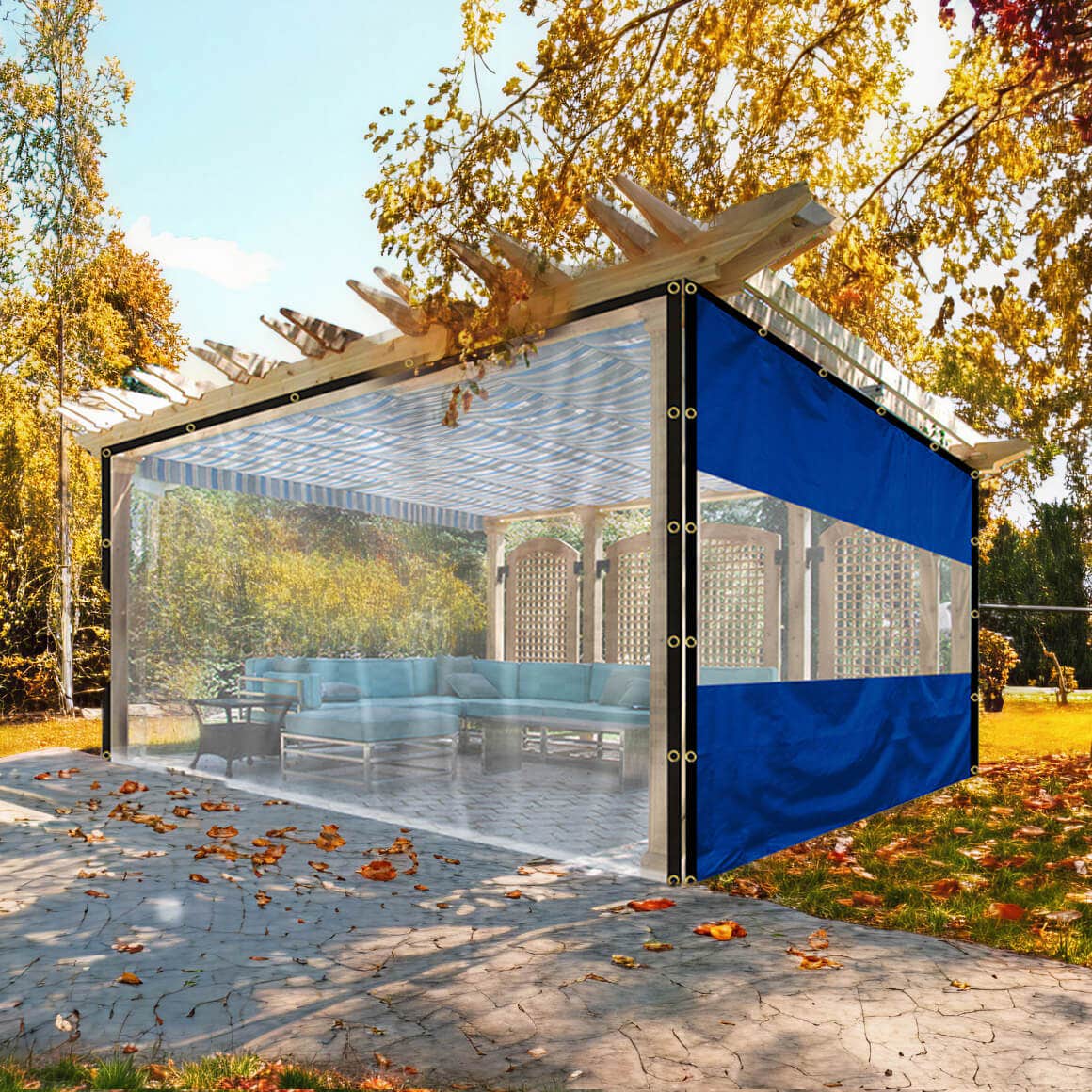
If your patio includes a pergola or shade structure, don’t ignore it during seasonal change. Strong winds and heavy rain can stress joints and fabrics. Installing or upgrading custom pergola covers adds another layer of patio protection, reducing water exposure and improving overall stability. A covered space also protects everything underneath it.
6. Don’t Forget Soft Furnishings
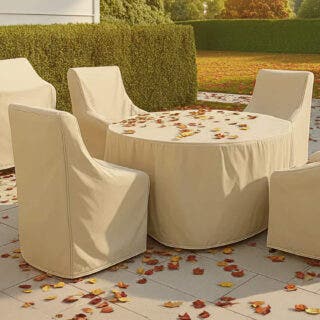
Cushions and umbrellas are often the first casualties of seasonal change. Use fitted cushion covers and durable umbrella covers to prevent fabric fading, mildew and structural wear. If possible, move soft items into sheltered areas during extended wet periods. This small step significantly improves outdoor storage protection.
7. Store What You Don’t Use
Autumn is the perfect time for smart autumn prep AU routines. If certain garden tools or equipment won’t be used frequently, consider covered storage. Sealed storage benches or covered shelving reduce exposure and support better patio protection overall. Less exposure means less long-term repair.
8. Consider Custom Outdoor Covers for Better Fit
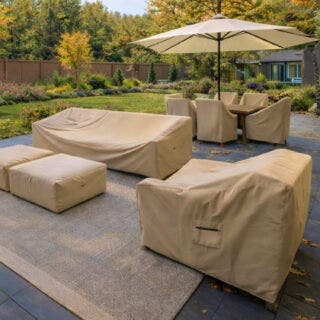
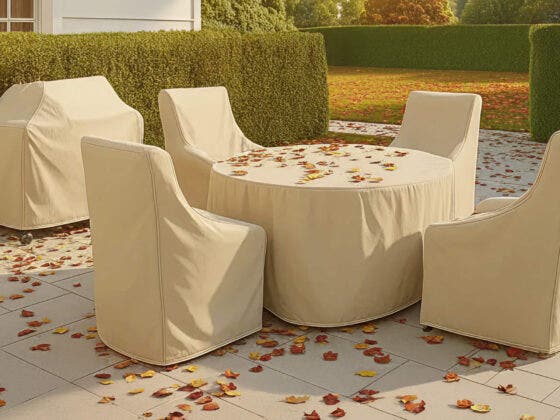
Standard covers often leave gaps or shift during strong winds. Investing in custom outdoor covers ensures a better fit, improved durability and stronger overall coverage. Whether it’s for outdoor furniture covers, equipment or larger setups, tailored protection performs better during unpredictable weather shifts.
Final Thoughts
Moving from summer heat to autumn storms requires more than a quick tidy-up. Protecting your setup now helps prevent costly repairs later. With reliable heat resistant covers, secure tie-downs and strong waterproof protection, you can protect garden gear and maintain a more storm proof patio through seasonal change.
A little preparation during the transition keeps your outdoor space ready – whatever the weather decides to do next.




Recent Comments