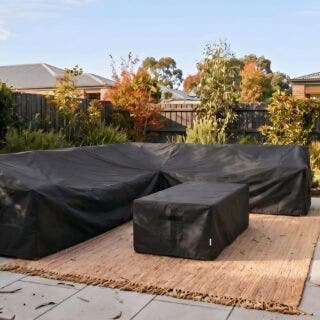



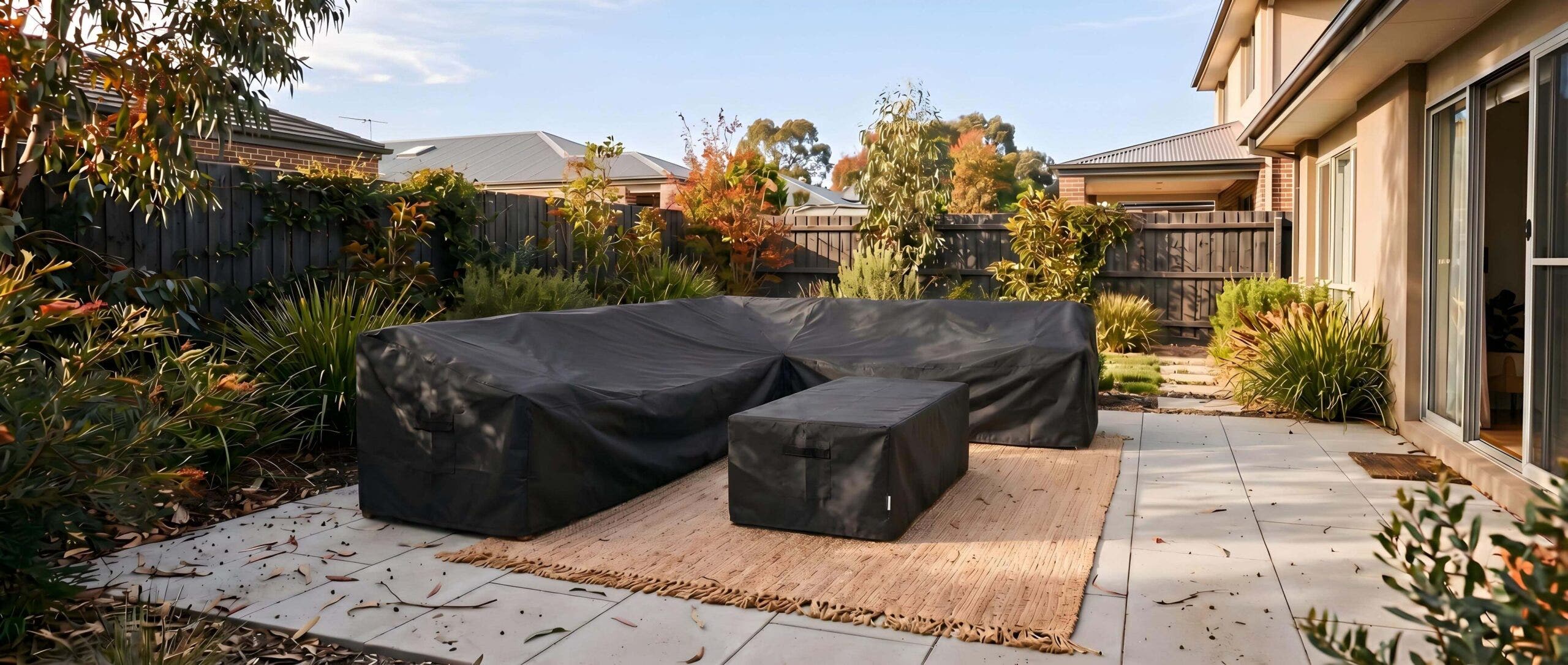
Construction sites in Australia don’t get the luxury of stable weather. Some days it’s all sunny, other days it flips to rain or wind without much warning. If your materials and tools are exposed, that kind of change can cause issues faster than you’d expect.
That’s where heavy duty tarps Australia come into the picture. They’re not just something you throw on top as a backup – they’re part of how a site keeps moving without constant interruptions.
Why Basic Covers Don’t Work on Construction Sites
On paper, any cover might seem fine. But on a real site, things are different. You’ve got movement, dust, sharp edges, and weather all hitting at once. Regular sheets or thin tarps don’t last long – they tear, shift, or leave parts exposed.
That’s why construction tarps Australia are designed differently. They’re designed to withstand rough use, stay in place, and actually protect what’s underneath. Whether it’s building materials, scaffolding, or equipment, proper coverage keeps things usable instead of needing replacement.
Popular Products

Rain Can Slow Everything Down
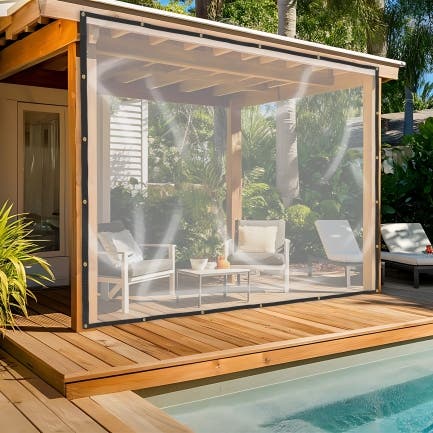
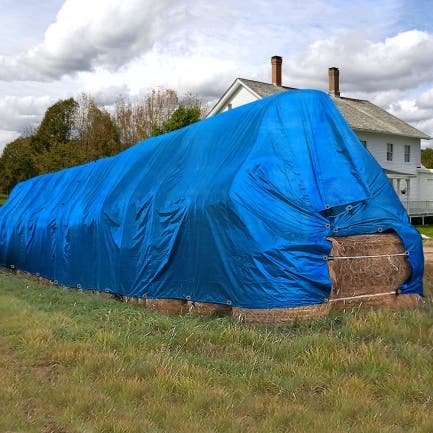
Rain is one of the biggest issues on-site. Once materials get wet, you’re not just dealing with inconvenience – you’re dealing with delays. Timber can absorb moisture, tools can get damaged, and certain tasks just can’t continue until things dry out. That’s why waterproof tarps for construction are so important. They keep materials dry and ready to use, instead of turning into a problem that needs fixing later.
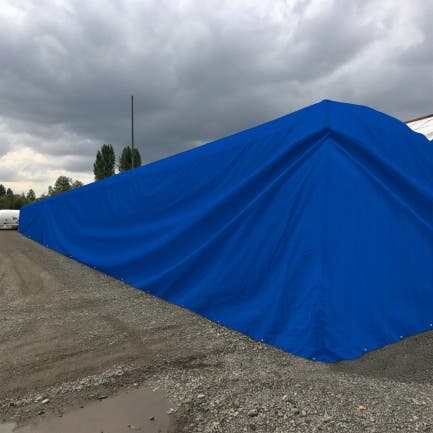
For larger setups, industrial tarpaulins Australia are often used because they cover bigger areas without compromising on durability. They’re built to stay put and hold up even when conditions aren’t ideal.
In some cases, especially when working with concrete, a Concrete Blanket becomes useful. It helps maintain the right conditions and protects against both excess moisture and sudden temperature changes.
The Sun is Just as Harsh
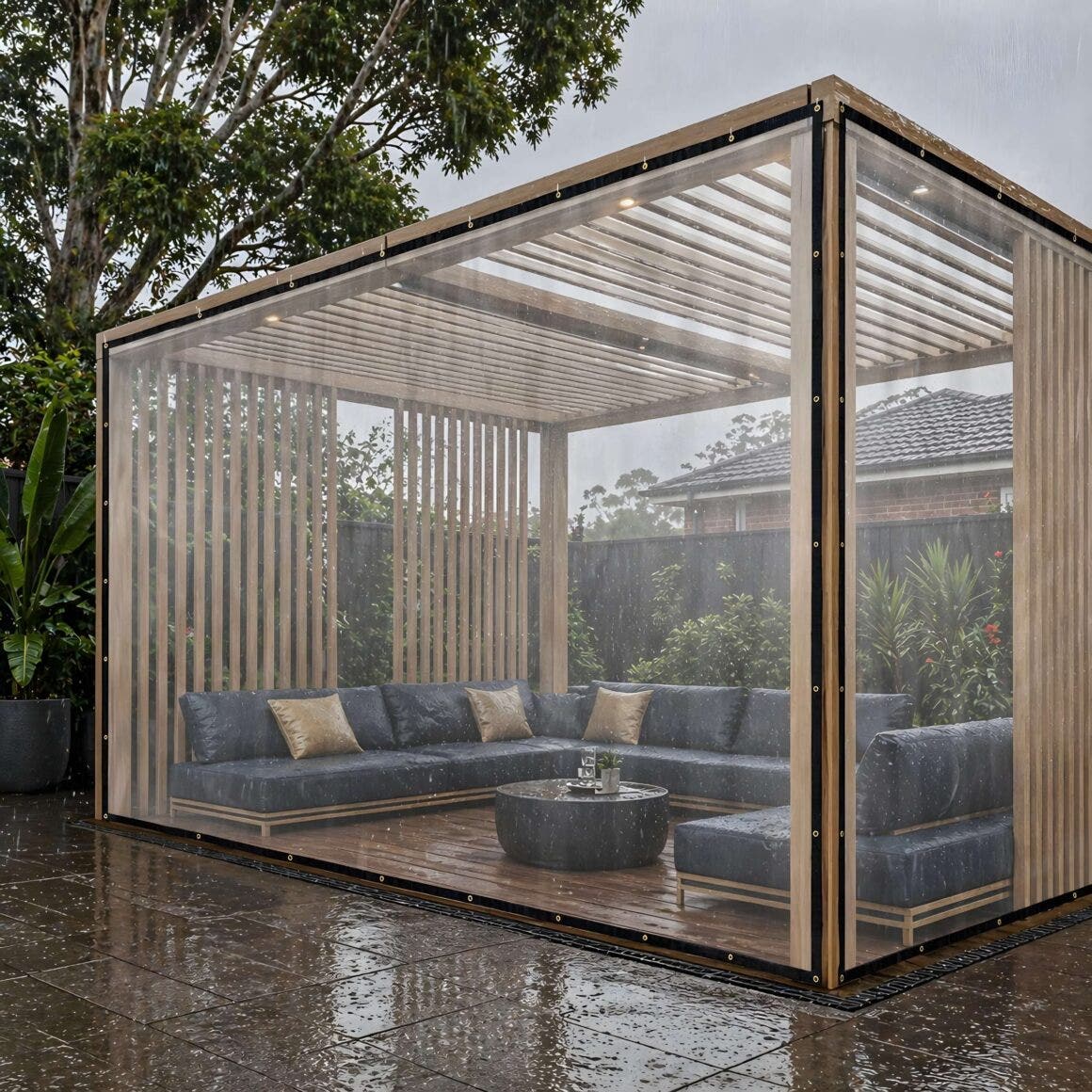
People usually focus on rain, but the Australian sun can be just as damaging – sometimes more. Long hours of exposure can dry out materials, cause fading, and weaken surfaces over time. Equipment left uncovered can heat up quickly, which isn’t ideal for performance or longevity.
That’s where UV resistant tarps make a difference. They’re built to handle constant exposure without breaking down too fast. Instead of cracking or fading within a short time, they stay usable throughout the season.
For tougher requirements, PVC tarps heavy duty are often preferred. They’re thicker, more durable, and hold up well against both heat and moisture, which makes them reliable for long-term use.
Keeping Equipment and Work Areas Covered
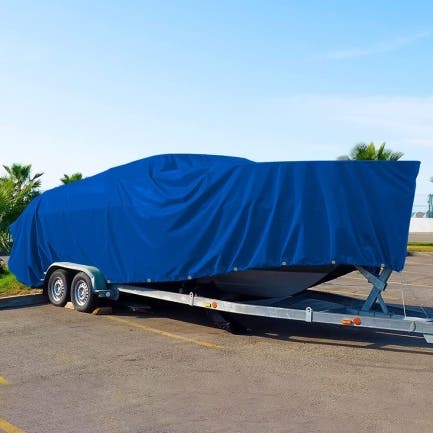
On a busy site, you can’t really leave equipment uncovered. Between rain, dust, and sun, it doesn’t take long for things to start wearing out. Using weatherproof tarps for equipment keeps everything protected and ready when you need it – no extra headaches.
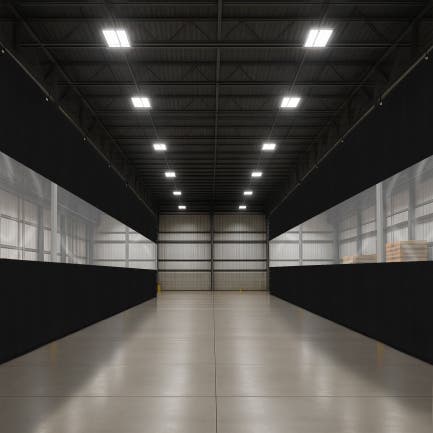
The same goes for general site coverage. Tarps for building sites AU are used in different ways – covering materials, shielding work areas, or even acting as temporary barriers when needed.
Why Custom Fit Matters
One thing that often gets overlooked is fit. A tarp that doesn’t fit properly can leave gaps, flap in the wind, or just not do its job well.
That’s where Custom Tarps come in. They’re designed to match specific requirements, whether it’s size, shape, or purpose. A proper fit means better coverage and fewer chances of damage.
For example, a Custom Roof Tarp can help protect unfinished structures during construction. A Custom Insulated Tarp can be useful when temperature control matters. Even something like a Custom Snow Removal Tarp has its place depending on the project and conditions.
The Bottom Line
Construction sites in Australia deal with sun, rain, wind – sometimes all in the same week. Without proper protection, materials start getting damaged, work slows down, and costs creep up.
Using heavy duty tarps Australia, along with reliable waterproof tarps for construction, isn’t about overdoing it – it’s just part of running a site properly. Because at the end of the day, it’s simple. The weather isn’t going to adjust for the job. So, the setup has to be ready for it.
Recent Comments