


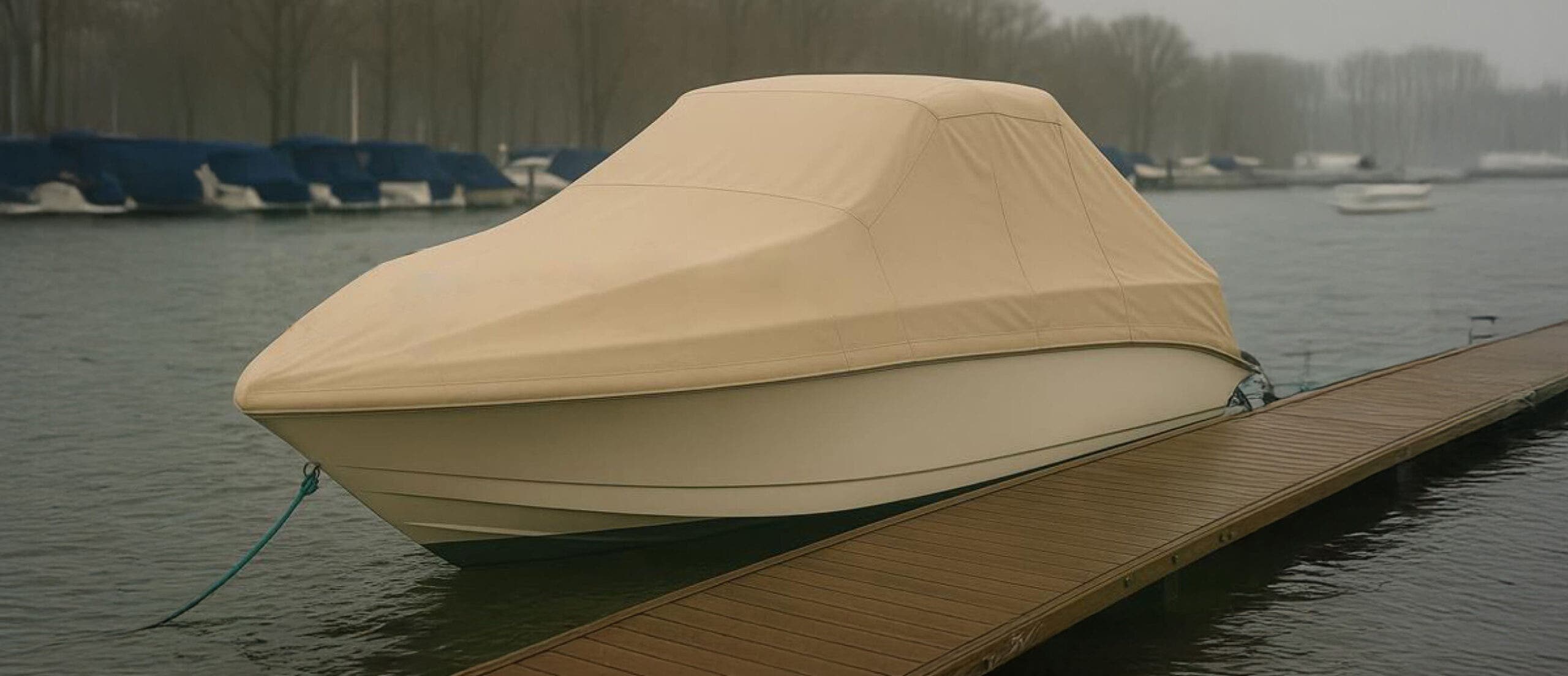
Cold weather doesn’t play favorites. Whether you’re on a lake in Minnesota or docked off a salty bay in Maine, the wind, moisture, and temperature swings will take a toll if your boat isn’t properly shielded. But here’s the good news, most of the wear and tear is entirely preventable with the right winter boat cover.
Let’s talk real-world marine protection tips. The kind that doesn’t just check boxes, but actually saves you time, money, and regret when the thaw hits. This isn’t just about covering your boat. It’s about protecting your investment through the harshest months with a storm-ready, winter boat cover that’s actually built for the job.
Why You Shouldn’t Skip a Winter Boat Cover
Leaving your boat exposed over winter is kind of like parking your car with the windows down during a snowstorm, it’s asking for trouble. A solid marine cover isn’t just there to keep snowflakes out; it’s the barrier between your boat and months of unpredictable weather.
Moisture creeps in. Condensation forms. Then mildew follows, like clockwork. And if that wasn’t enough, add wind-blown debris, animals looking for a cozy shelter, and UV rays bouncing off snowbanks. A winter boat cover that’s made for your vessel and your climate keeps all that at bay.
Not All Covers Are Created Equal
There are covers, and then there are marine-grade winter boat covers. If you’ve used both, you know the difference — one lasts a season and causes you stress; the other lasts for years and gives you peace of mind.
The key? Materials and construction.
Durable fabric: You want something UV-treated, waterproof, and thick enough to resist abrasion from branches, debris, and snow.
Custom-fit design: No flapping, no water pooling, no wind slipping under the sides.
Reinforced seams: Weak points tear first. Storm-ready covers use double-stitched or heat-welded seams to hold strong.
Secure tie-down system: Grommets, straps, buckles — all working together to keep the cover tight and in place, even in a storm.
Off-the-shelf tarps just can’t compete. They trap moisture, tear easily, and often fly off mid-season — leaving your boat to fend for itself. A proper boat cover for winter does more than sitting on your boat. It protects it like a second skin.
Condensation Will Happen, Unless You Plan for It
You can have the strongest cover in the world, but if it’s trapping moisture underneath, you’ve got a silent enemy working against you.
Condensation forms when temperatures swing and moisture can’t escape. Once trapped, it settles on your console, seats, and electronics — or worse, gets inside fabrics and crevices. That’s where mold and mildew start growing.
Here’s how to control condensation with the right boat cover setup:
- Choose breathable materials with built-in vents that allow air to flow while blocking rain and snow.
- Support your cover with a center pole or frame, so water rolls off instead of pooling.
- Add moisture-absorbing packs or desiccants inside the boat.
- Never seal your boat airtight. It’s tempting to fully wrap it, but airflow is your best defense.
A properly fitted marine cover with ventilation will handle this for you, quietly doing its job while your boat rests all season long.
Mildew Prevention Starts with Your Cover
Mildew loves darkness, still air, and moisture, which just so happens to be the exact environment under a bad tarp.
Here’s where your boat cover becomes more than just a barrier, it’s a preventive solution:
- Go for mildew-resistant custom covers treated with anti-microbial coatings.
- Ventilation, again, is key.
- Dry out your boat completely before covering. One damp life jacket is all it takes to kick off the mildew cycle.
- Avoid using carpet, fabric-lined storage, or foam cushions under the cover unless they’re bone-dry.
When your boat emerges from winter mildew-free, you’ll know the cover did its job — and saved you from hours of scrubbing and spraying in spring.
Fit & Fasten Tips: Don’t Just Throw It On
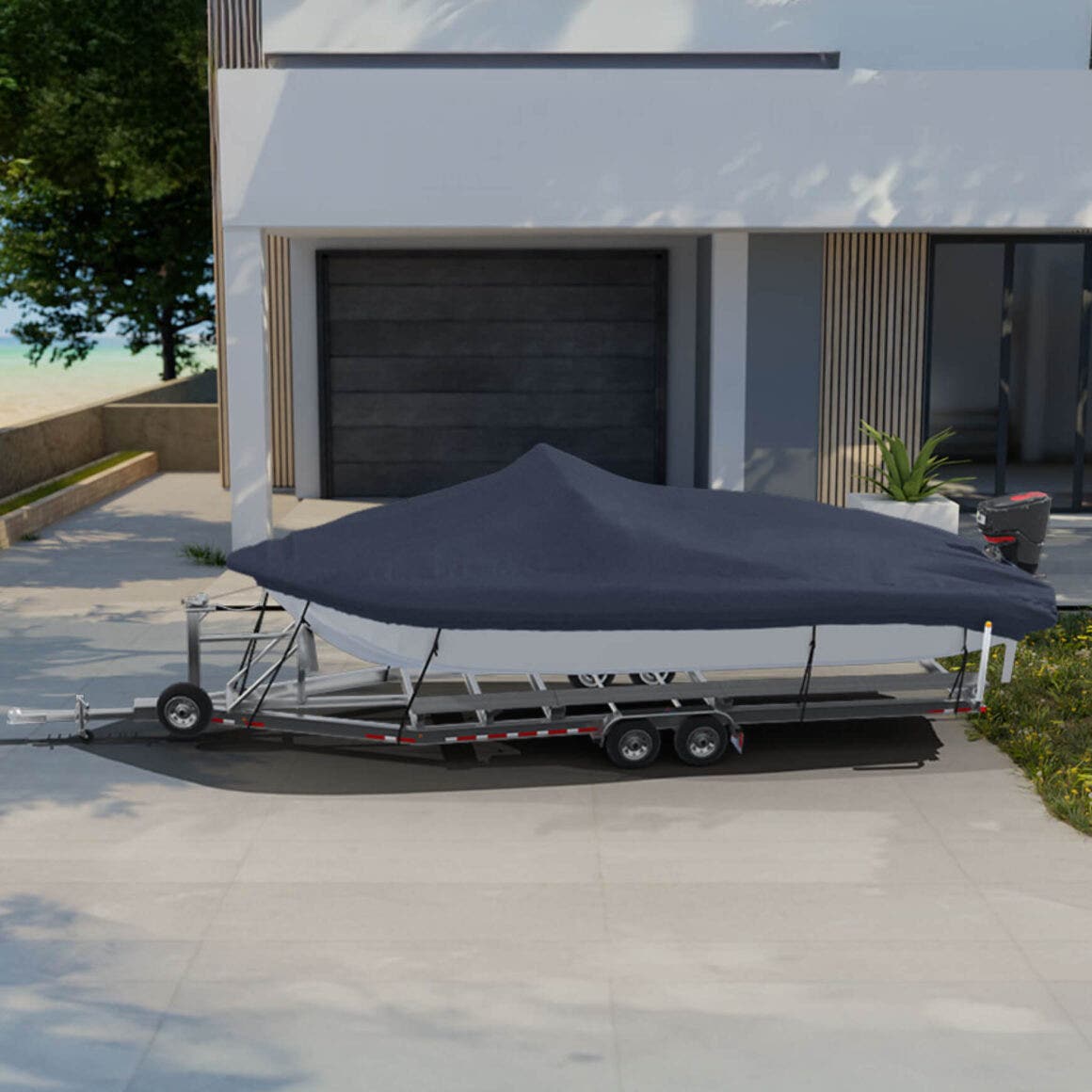
Boat covers aren’t blankets. You can’t just toss them on and expect results.
Every tie, strap, and grommet is part of a system. If one fails, the whole setup becomes vulnerable to wind lift or water ingress. Even a small gap can let in enough rain or snow to create long-term damage.
Here’s how to fasten your cover the right way:
- Start at the bow. Work your way back, smoothing as you go.
- Use a support frame or pole under the center to avoid pooling.
- Tighten straps evenly on both sides — don’t crank one side and leave the other loose.
- If you’re docked, anchor to cleats or rails using marine-grade rope or shock cords.
- For trailer storage, use belly straps and wheel chocks to stabilize everything.
Done correctly, your boat cover will feel like part of the vessel — snug, secure, and storm-ready.
It’s the shield between your boat and everything winter throws at it. It’s the difference between a smooth launch in April… or a series of costly repairs.
Whether you store your boat outdoors, on a trailer, or in a dock slip, one thing holds true: the right winter boat cover changes everything.
It protects your hull, safeguards your hardware, maintains your upholstery, and prevents headaches that ruin your boating season before it even begins.
Don’t wait for the first frost to start scrambling.
Find your fit. Fasten it tight. Let winter do its worst, your boat’s covered.







Recent Comments